
Britannia Mills, Manchester
Contributed by Dara Xhamil on Mar 10th, 2025. Artwork published in
January 2025
.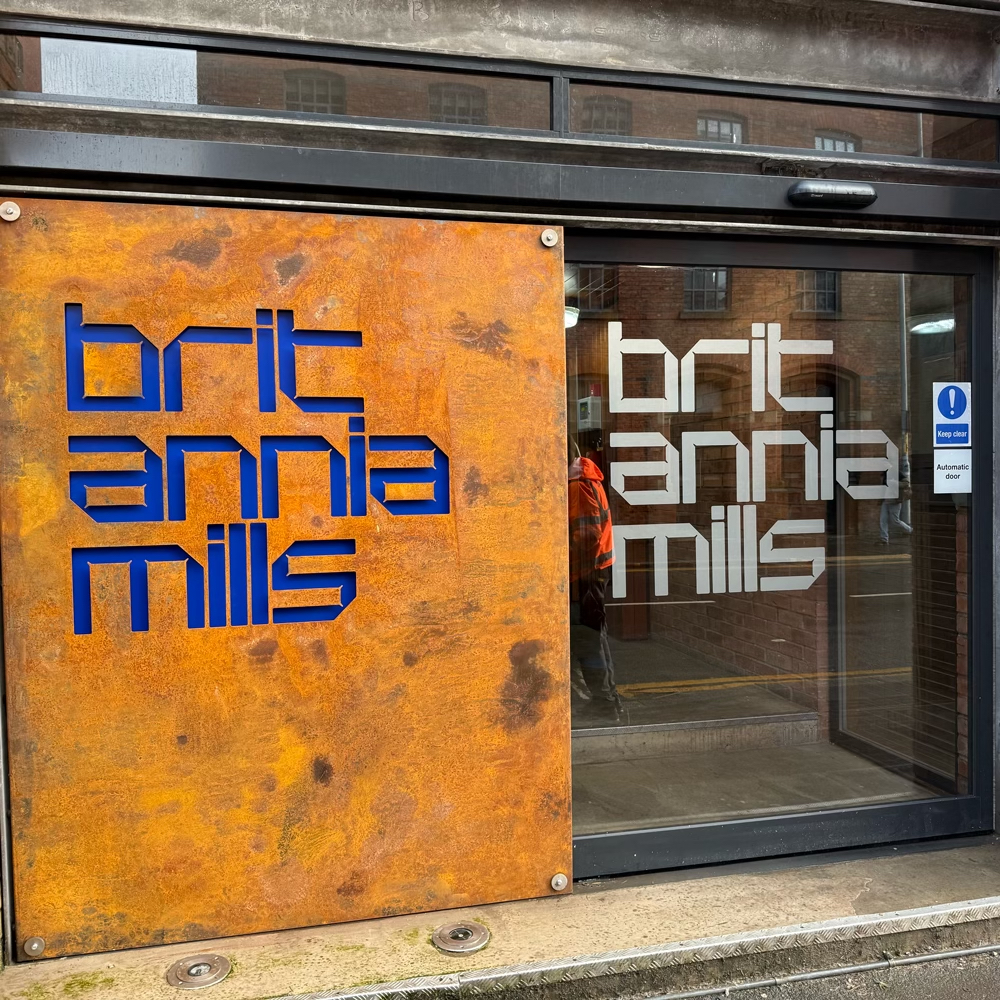
Photo: Dara Xhamil. License: All Rights Reserved.
Loving the typeface used on this residential building, the stencil design adds a bold industrial edge, which is a perfect mix of modern and historic charm.
Britannia Mills is a development project in Manchester’s Castlefield neighbourhood.
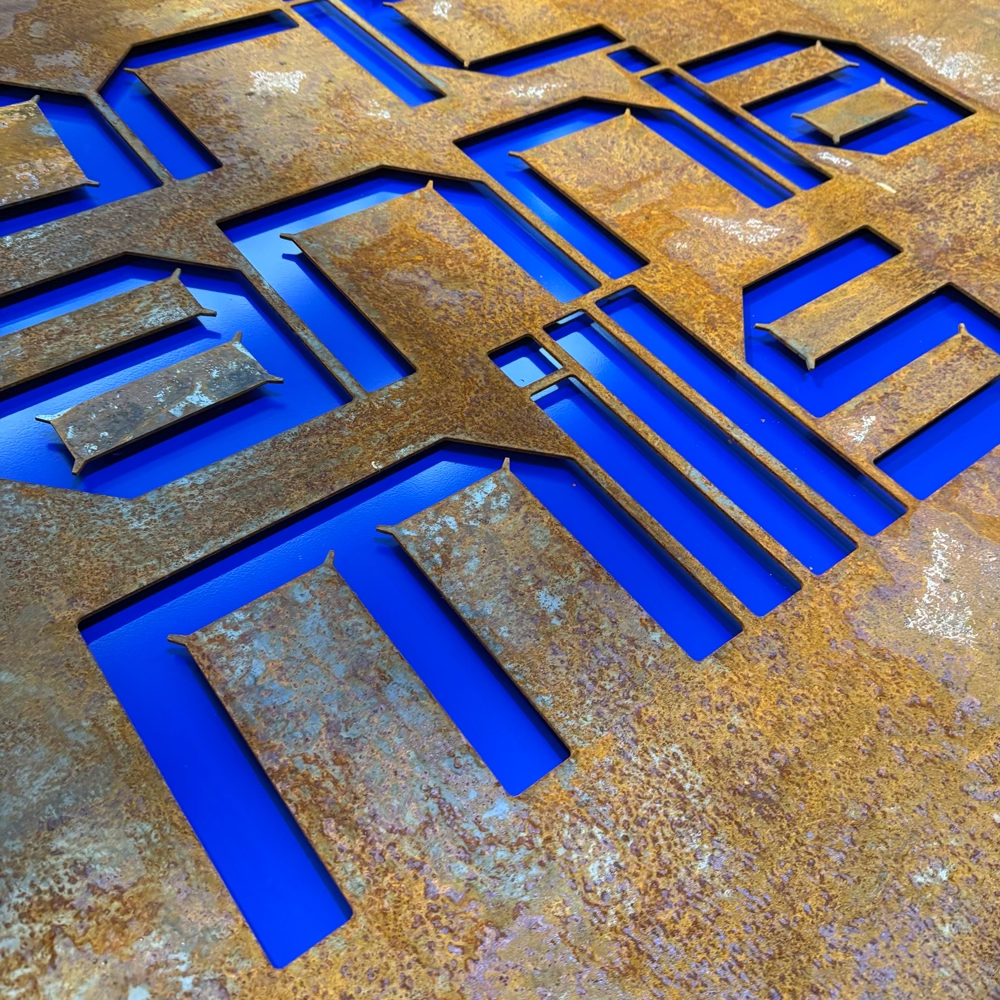
Photo: Dara Xhamil. License: All Rights Reserved.
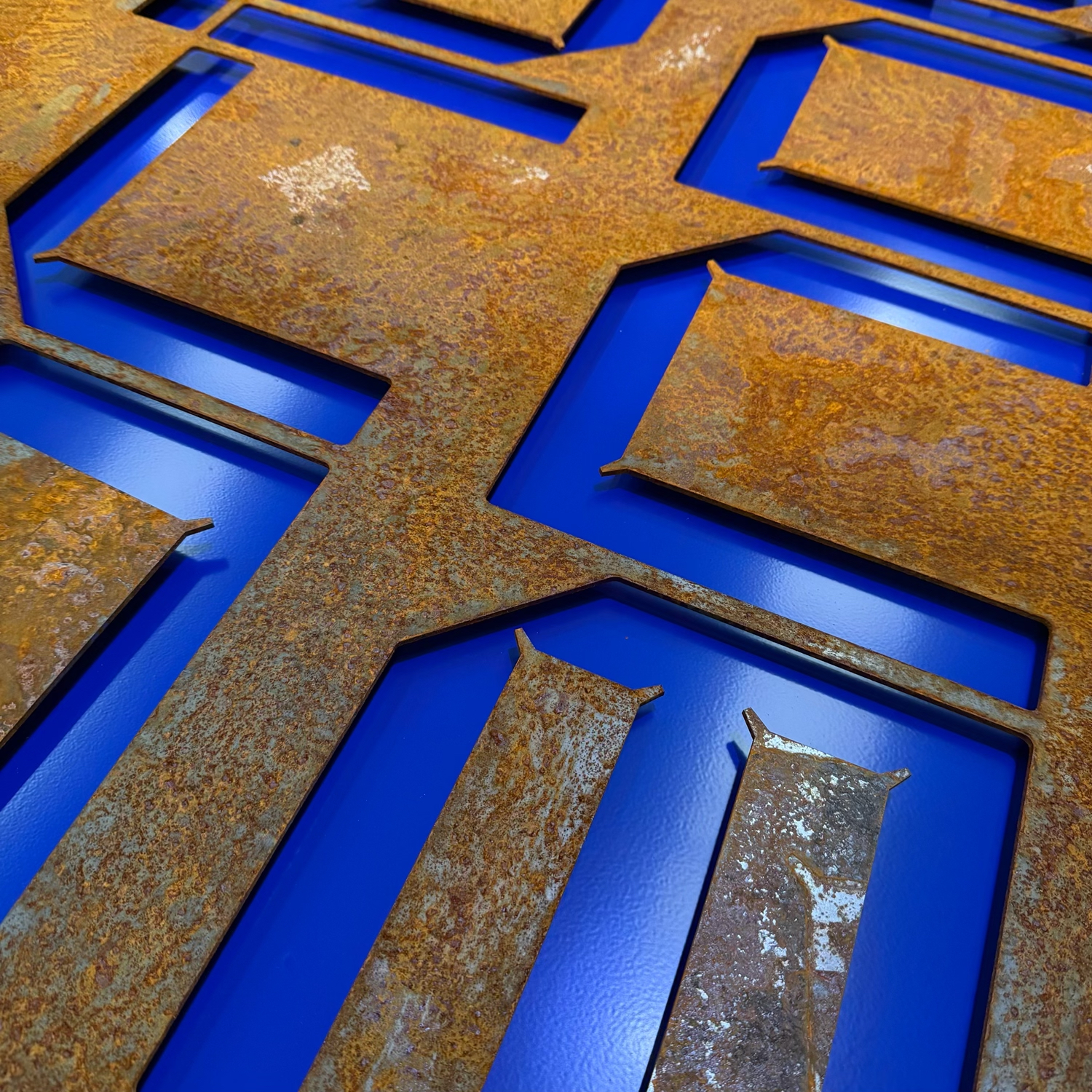
Photo: Dara Xhamil. License: All Rights Reserved.






































2 Comments on “Britannia Mills, Manchester”
On the surface this looks good, I like the corten steel with electric blue. It feels very 90s Manchester but doesn’t land in the usual tropes of Factory Records or The Haçienda.
However, it’s confusing why the name is repeated twice—it ultimately fails as signage. I feel the automatic door should have been utilised for other information.
Also, I recall that Britannia Mills is a development created by Urban Splash. Looking at their case study, maybe other materials should have been considered? I’m not sure it’s fully faithful nor complementary to the development.
Thank you for your feedback. It appears the door may have been considered only in daylight. The name is on the glass specifically to function at night—the frosted letters are internally lit, clearly visible in the photo. The system was designed to be legible 24/7, not just when the sun is out.
The material choices are purposeful. The corten steel and sandblasted surfaces reference the building’s history as a factory producing abrasives, and the Majorelle Blue is part of the original Urban Splash palette for Britannia Mills. This isn’t an arbitrary selection—it is rooted in the building’s architecture, its heritage, and the existing development language.
The repetition of the name is intentional: it’s primarily an identity device, not a detailed wayfinding aid. The words remain visible whether the doors are open or closed. If two foot‑high words saying “Britannia Mills” are confusing, it’s difficult to imagine what level of clarity would satisfy.
Regarding the suggestion to use a moving glass door for “other” information: a constantly sliding surface is not a practical medium for legibility—or for displaying something like a map. The solid panel provides privacy and security, addressing a need that was never considered when the development was originally built—a time before parcels were routinely left in unsecure places for anyone to access.
Constructive suggestions grounded in context, intent, or the phased rollout of the system are welcome. Observations made without understanding those factors do little to advance the discussion. As for references to Factory Records or The Haçienda, I fail to see how they relate to the design or its intent.